
SCIENCE
Vision Statement
At Fibbersley Park Academy, we recognise the importance of Science and strive to maintain a high profile for the subject across our school. Our vision is to inspire curiosity in children, encouraging them to ask meaningful questions that fuel exploration and investigation of the world around them. By providing stimulating and challenging experiences, we help our pupils build and extend their scientific knowledge, vocabulary, and critical thinking skills.
We are proud to deliver our curriculum through the Developing Experts scheme. This fully-sequenced programme, from EYFS through KS2, aligns closely with the National Curriculum and supports pupils in thinking like scientists. Through enquiry-based, practical learning, children develop key working scientifically skills — observing, testing, predicting, measuring, and evaluating — as well as strong conceptual knowledge in biology, chemistry, and physics. Lessons are enriched with carefully-designed resources, including presentations, quizzes, videos, and knowledge organisers, and include recap prompts and assessment to support long-term retention and progression.
Intent
In line with the National Curriculum for KS1 and KS2, our science curriculum is designed so that all pupils:
- Develop scientific knowledge and conceptual understanding in biology, chemistry, and physics.
- Build practical, enquiry-based scientific skills: making predictions, observing, measuring, hypothesising, interpreting, explaining, and evaluating.
- Make meaningful links between classroom science and the real world, recognising how their learning is relevant to everyday life and future STEM careers.
- Nurture curiosity by asking thoughtful, probing questions and cultivating wonder and excitement.
- Communicate their scientific ideas in structured and creative ways, using ICT, diagrams, graphs, and scientific vocabulary.
- Use and respect scientific materials safely, maintaining care for both themselves and others.
Implementation
- Teachers create a positive, high expectation environment where every child can achieve in science.
- In the early years, pupils engage in rich, hands-on experiences in line with the Early Years Foundation Stage.
- Science is taught regularly and discretely across the school; wherever possible, units are linked to broader cross curricular learning challenges.
- Lessons start with a review question, helping pupils to retrieve prior knowledge and embed it in long-term memory.
- Precise questioning by teachers deepens conceptual understanding.
- Ongoing formative assessment helps identify misconceptions so learning can be adapted.
- Pupils work in mixed ability groups, supporting each other in discussions and investigations.
- We explicitly teach “Working Scientifically” skills, modelling how to use scientific tools and guiding investigations.
- Our Developing Experts lessons include full teaching resources, including lesson plans, knowledge organisers, quizzes, videos, and handouts.
- Recap prompts, embedded assessment, and topic threads are used to reinforce learning and ensure continuity across year groups.
Science Week
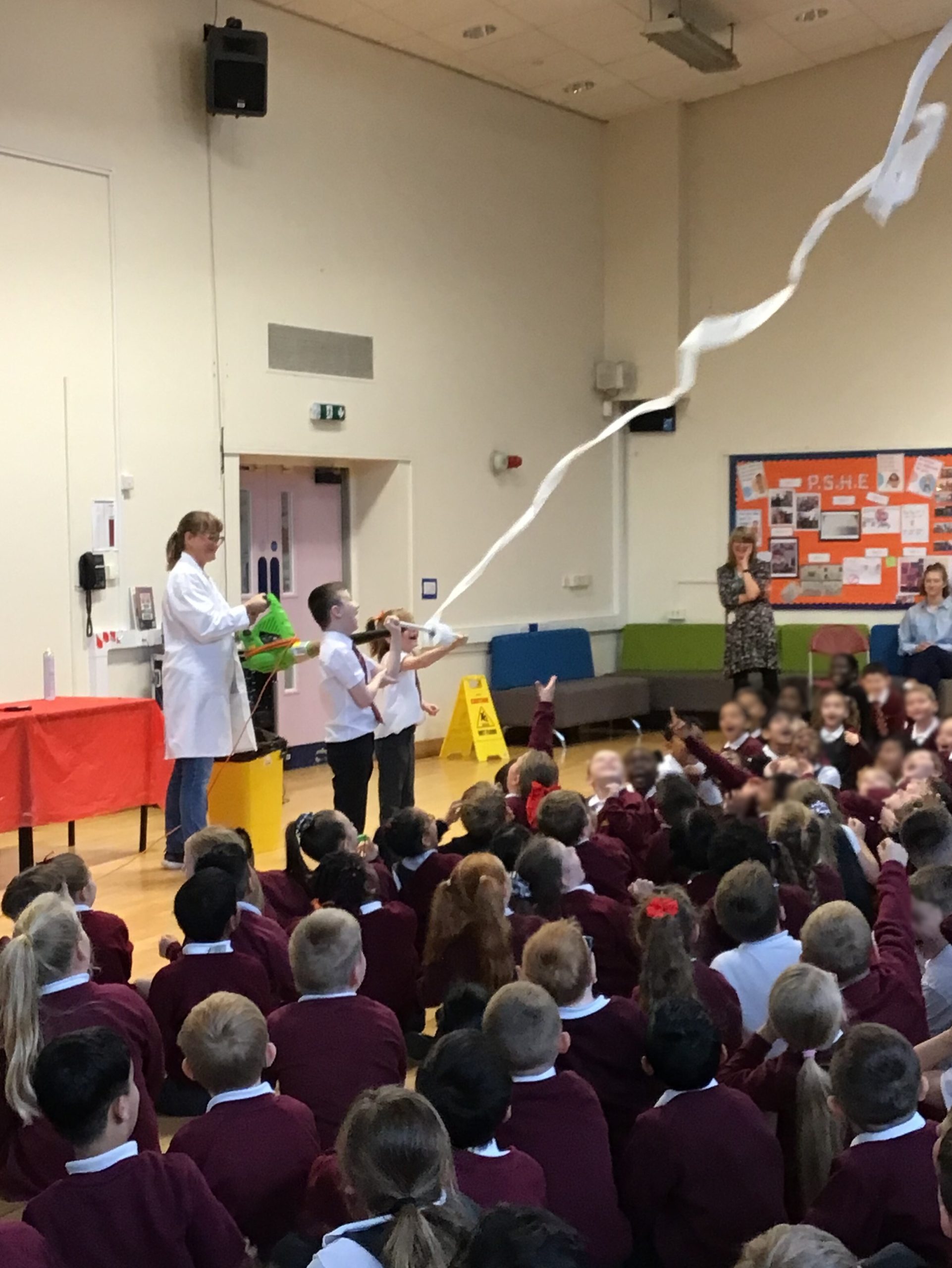
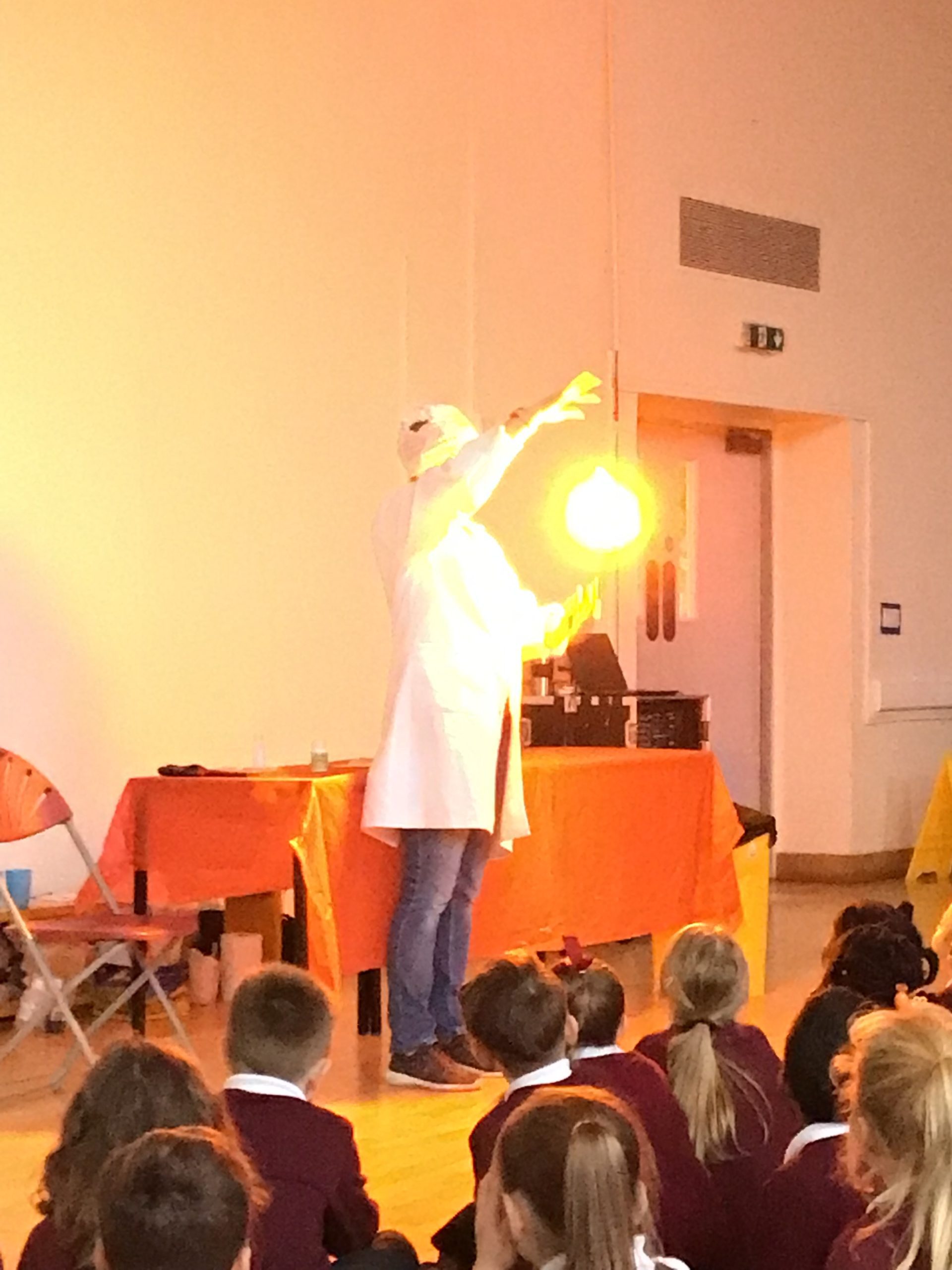
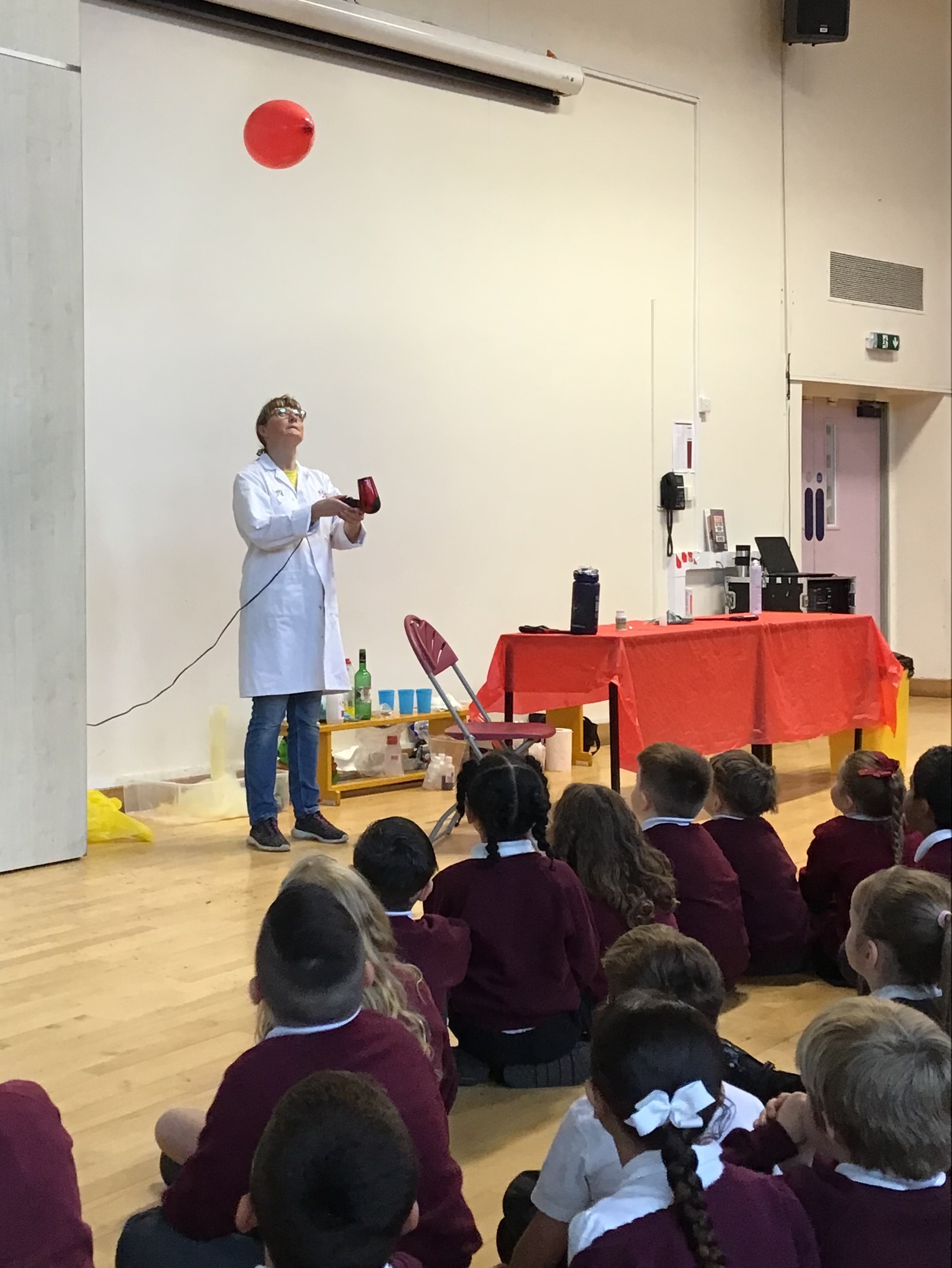
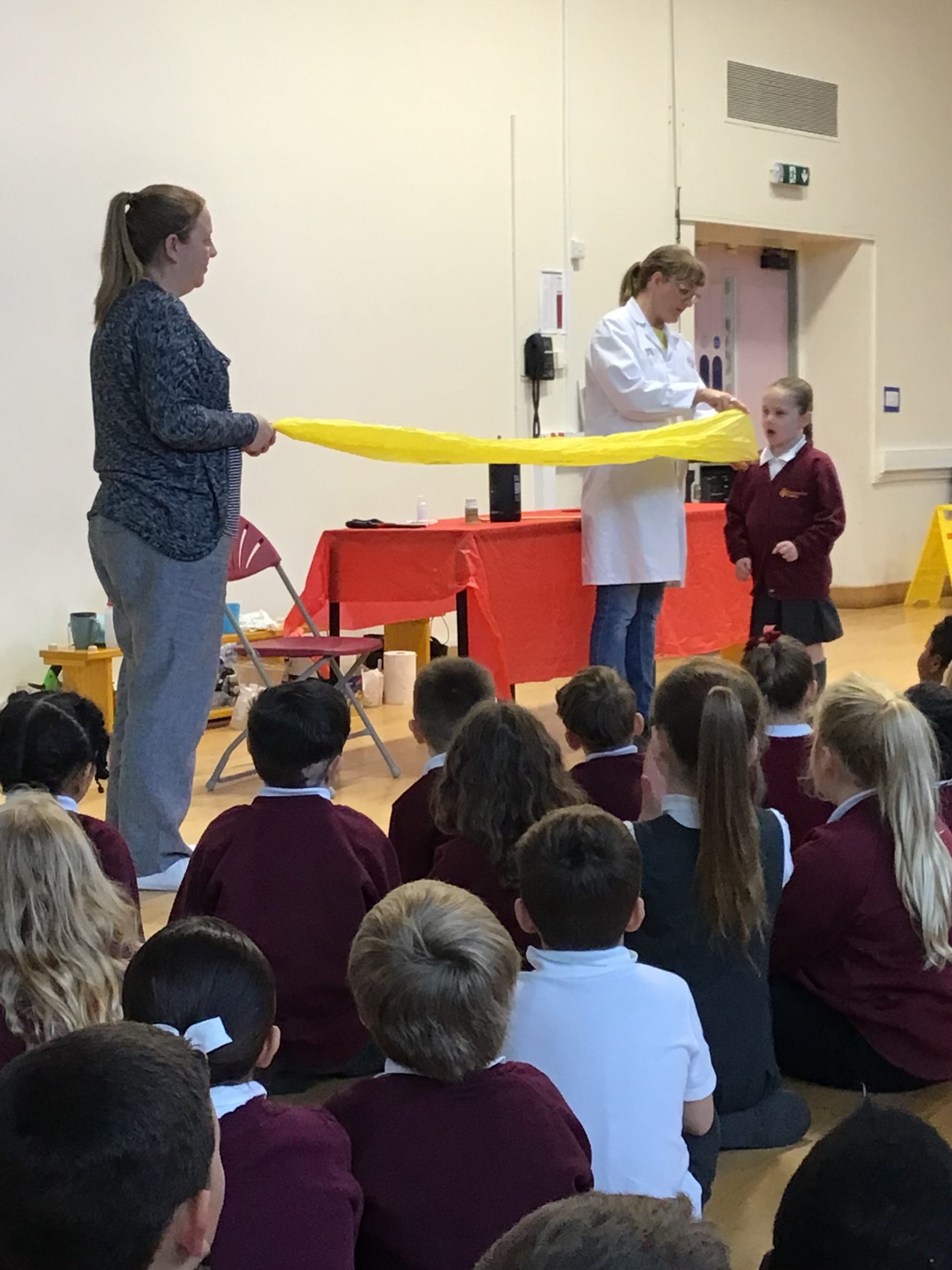
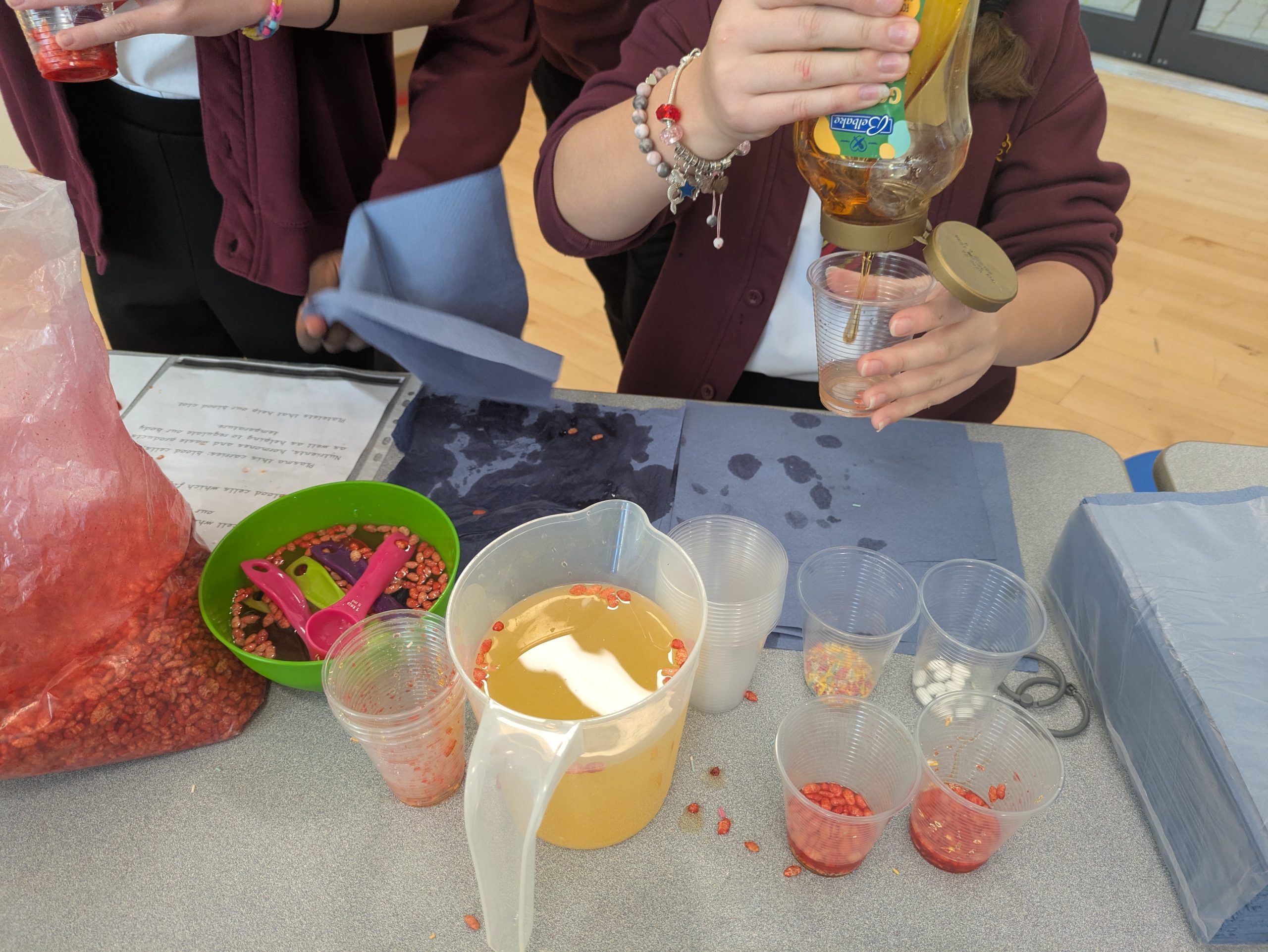
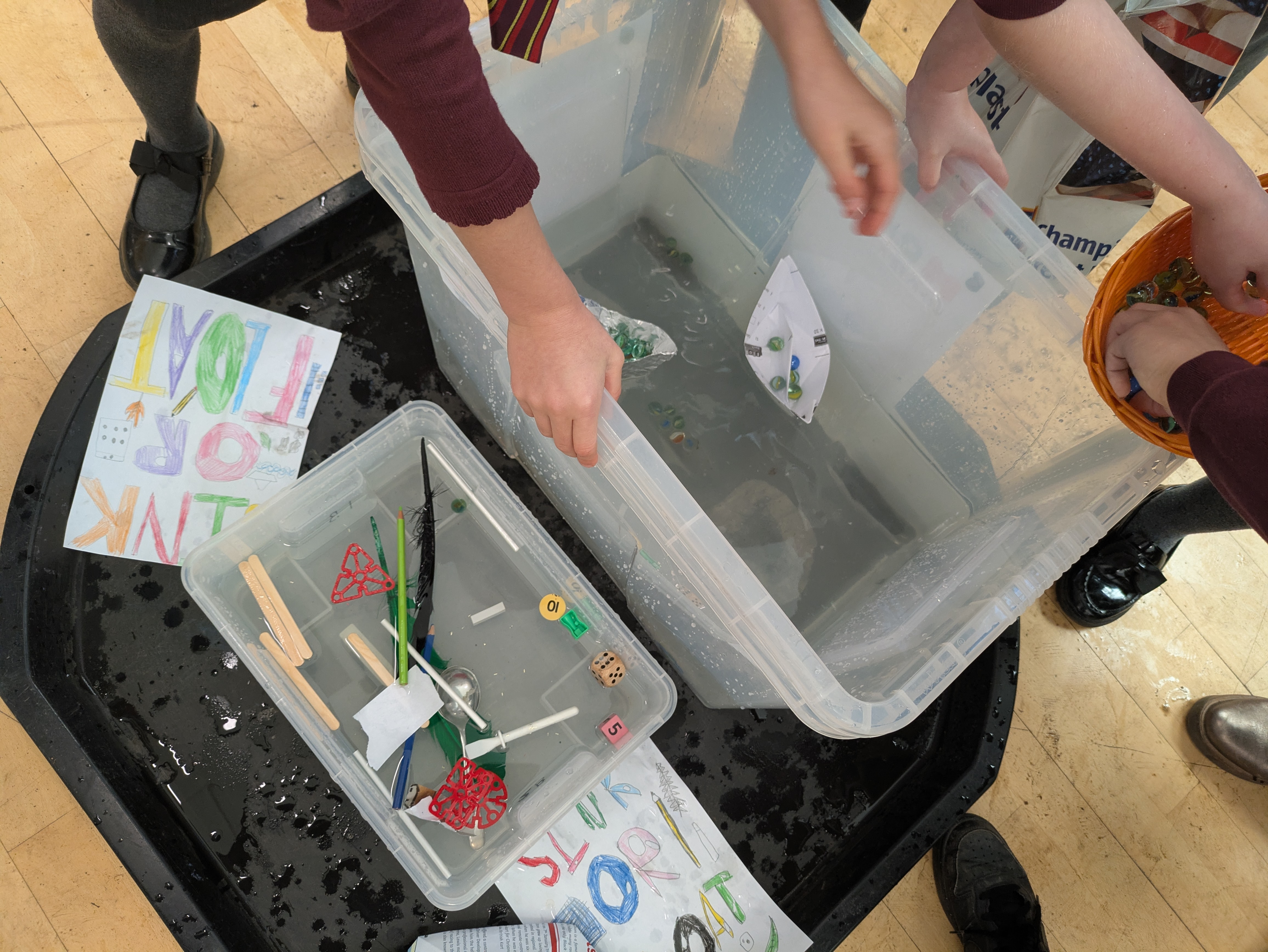
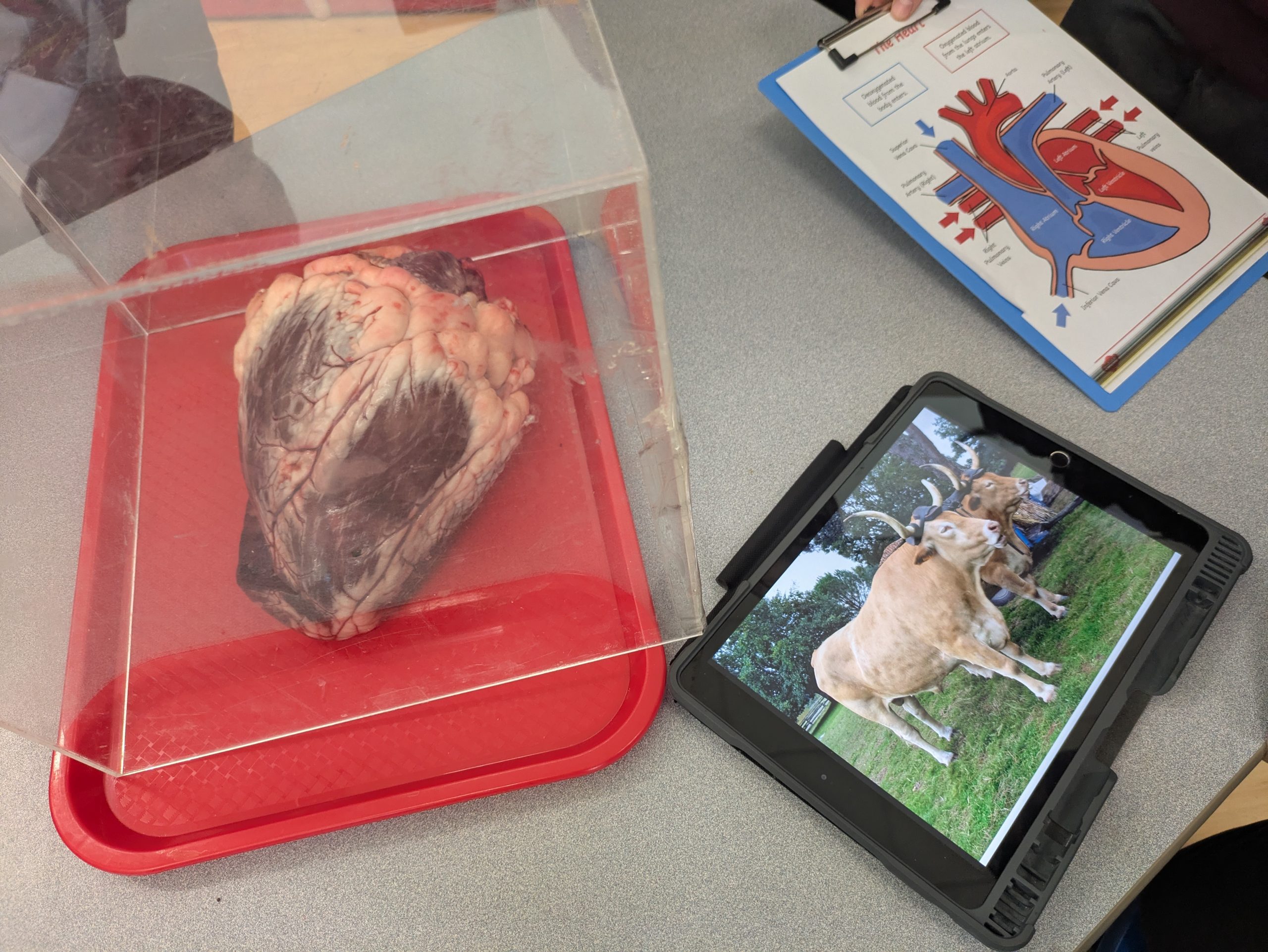
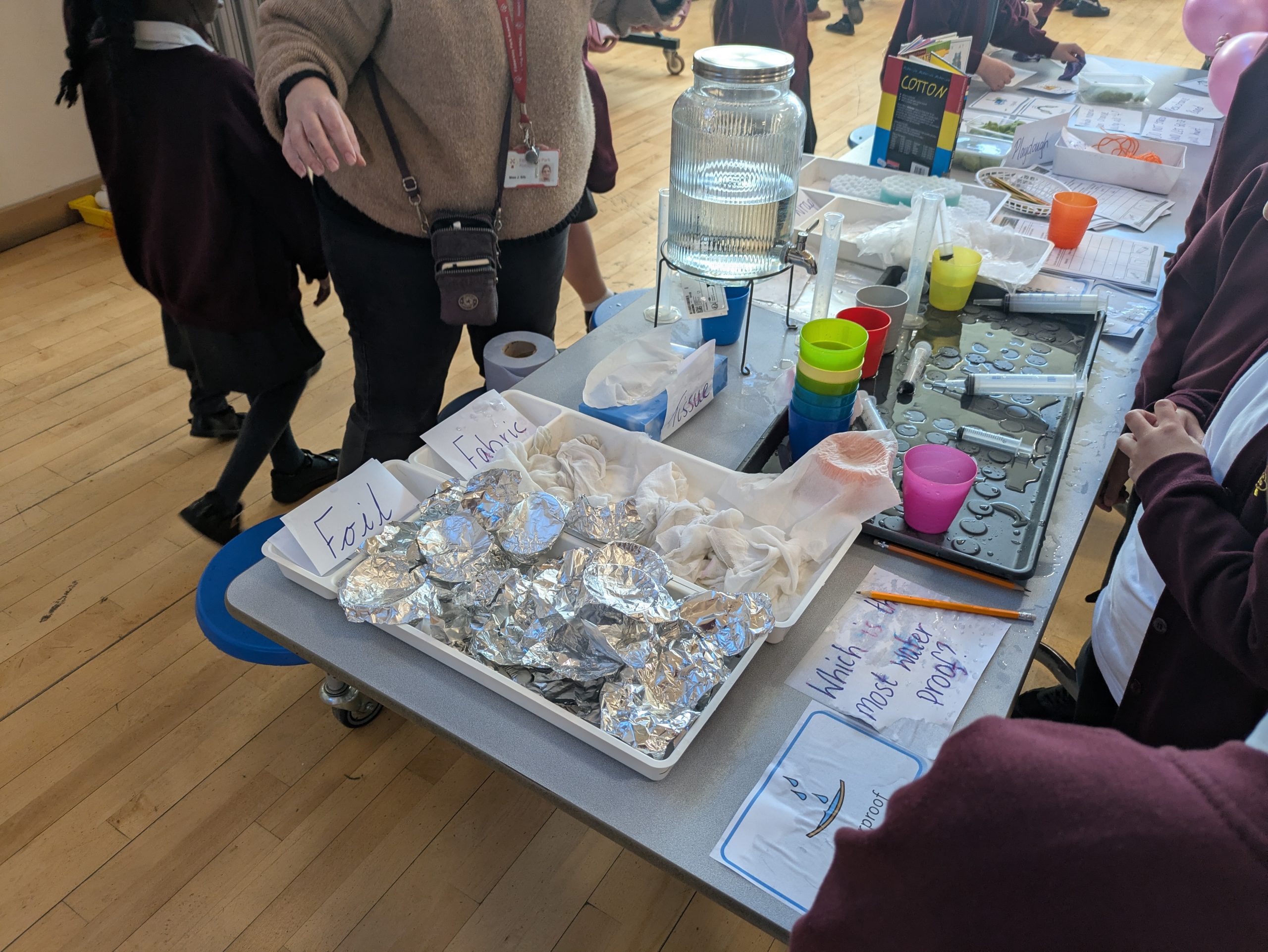
Each year, at the end of Autumn 1, we hold a whole-school Science Week. We kick off with a special assembly led by a “Science Boffin,” designed to spark curiosity and wonder. Throughout the week, children engage in themed science activities and investigations. We conclude with an interactive Science Fair, where each year group showcases their learning from the term’s science topic — giving pupils a proud moment to present, explain, and celebrate their scientific discoveries.

Impact
- Our science curriculum is under continuous review through targeted CPD, strong subject leadership, and use of assessment to drive future planning.
- Through the Developing Experts framework, pupils develop curiosity, independence, and a lifelong interest in scientific enquiry.
- Children leave each lesson and each term better able to ask their own scientific questions, plan and carry out investigations, and communicate their findings with confidence.
- They develop a clear understanding of how science relates to real‑world issues and future STEM careers.
- Our annual Science Week and Science Fair help foster a whole‑school culture of enthusiasm and pride, celebrating scientific thinking and exploration.